Trust Erosion

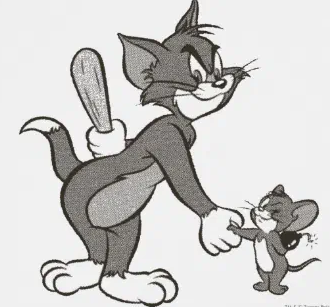
High trust networks are wonderful. So long as the trust persists things move smoothly. Everyone is willing to work on a 'handshake' basis and you don't have to worry about getting screwed over.
However, these networks have to be monitored closely. Implicit trust can (and will) be exploited by bad actors. I'm happy to expand on the personal experience that led me to this conclusion if you're interested (just email me) but here are the top-level takeaways from the experience:
Accountability has to be proactive, not just reactive
Low-trust organizations say: “If we know about a problem, we address it.”
High-trust organizations say: “Our responsibility is to actively look for problems, and to eliminate social barriers to reporting them”
If accountability only activates after something is reported, the real burden shifts to the most vulnerable people in the system. They have to decide whether speaking up is worth the personal cost.
Culture enforces behavior long before policy ever does
You don’t need a written rule that says “don’t rock the boat”, all you need is a pattern:
- People who raise concerns get labeled as difficult
- Hard questions are met with defensiveness
- Discomfort is treated as disloyalty
Pretty soon, the culture does the enforcement for you.
High-trust organizations reverse this dynamic.
- They treat uncomfortable questions as signals of need for care.
- They reward honesty (especially when it’s individually costly)
- They make it clear that loyalty to truth matters more than loyalty to image.
Trust is built by how you treat insiders, not how you attract outsiders
It’s easy to point to growth, engagement, or surface-level success as evidence of health, but real trust shows up in how people show up within the org are much less worried about external optics and much more concerned with internal reality.
Leaders must separate their identity from the organization
When leaders are the organization, criticism becomes personal, questions feel like attacks and curiosity quietly disappears. High-trust leadership requires enough distance to say, “Even if my intentions were good… the system might still be failing people.” Organizations usually don’t lose trust because leaders are malicious.
They lose trust when leaders stop trying to see what’s broken.
None of this is easy, all of it is uncomfortable and that discomfort is an entry fee to trust that most are unwilling to pay.